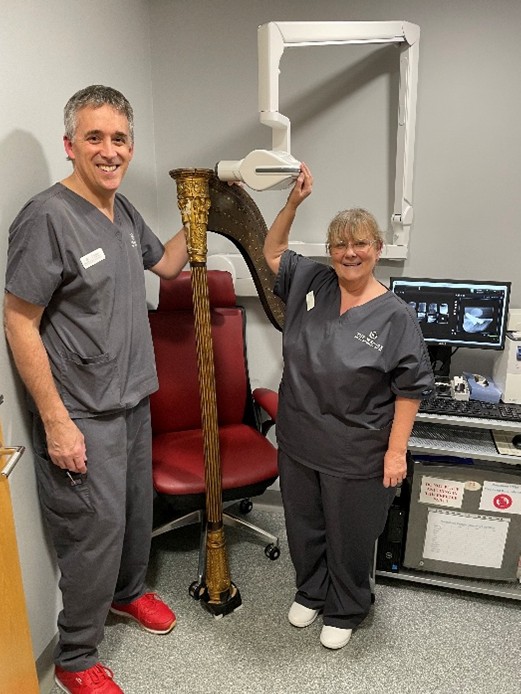
There are some sentences you never expect to say aloud in polite society. “Could you please X-ray my antique harp?” is one of them. And yet, there we were, wheeling a 19th-century harp into a modern dental surgery like a slightly nervous, stringed patient with a severe case of historical mystery lodged in its neck.
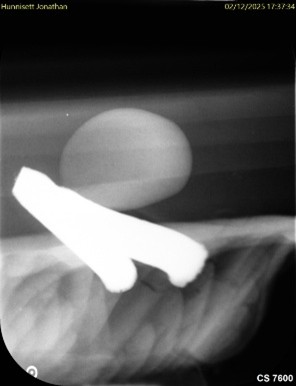
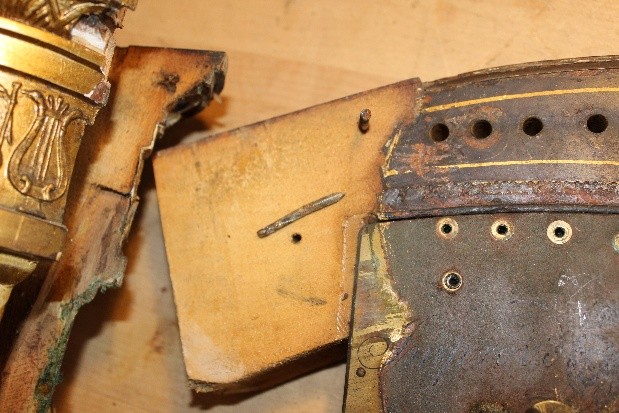
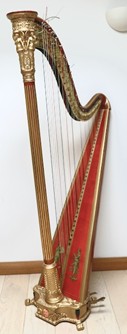
The harp in question is a dignified old lady: ornate column, gilded flourishes, and well over 200 years of musical gossip embedded in her grain. Unfortunately, she also harbours a secret—somewhere deep in the joint where her neck meets her column lies a metal pin, driven in by a long-dead craftsman with no thought whatsoever for future restorers. That pin must be removed so the neck can come off for repair. The only problem? Nobody knows exactly where it is.
In the old days, this would have meant a game of educated but destructive archaeology, carefully chiselling through original decoration until—clink!—you hit metal. Every layer of lost gilding would break a conservator’s heart just a little. Hence the inspired modern solution: radiography. If doctors can use X-rays to find swallowed Lego, surely they can locate a rogue pin in a harp?
Getting the harp into the clinic was the first comedy act. Imagine explaining to the receptionist that your “patient” is nearly two metres tall, has 47 strings, and absolutely refuses to sit in the waiting room chair. Michael the dentist, to his credit, barely blinked. By mid-morning, an antique musical instrument was lying where moments before a human with a wisdom-tooth crisis had reclined.
Then came the positioning. “Tilt the neck a little,” said Pip, with the calm authority of someone who usually deals with jawbones rather than neck blocks of seasoned maple. The harp was coaxed into place like a diva being persuaded toward just the right spotlight. No safety goggles for her, sadly, but she took it with stoic elegance.