Mandolins

From the early 1800’s, Naples had over a hundred luthiers working there making violins, guitars and mandolins and was the centre of excellence for stringed instruments. Some makers such as Calace and Vinaccia built all of the      components themselves but there were also specialists known as “cassari” who only built the bowls.

Other workers called “corallari” (coral and mother of pearl trades) specialised in the decoration and many came from the city of Torre del Greco just up the coast from Naples where mother of pearl and coral had been turned into decoration since Roman times.

The quality of the bowls and decoration were excellent as each luthier became really skilled in their chosen speciality so the resulting end product was probably better than from a workshop where the luthier made everything.

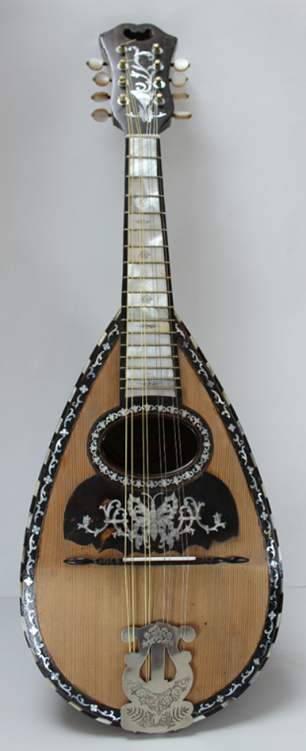
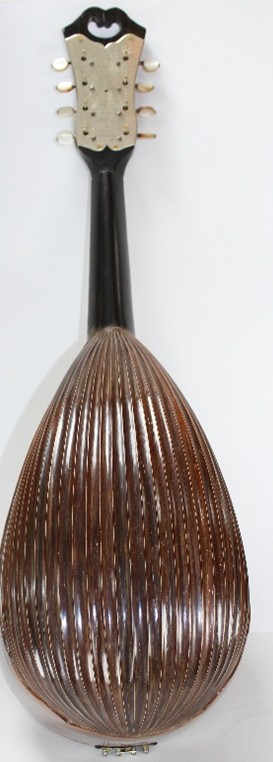
As a rough rule of thumb, the closer together the annual rings are on the front, the better the quality of soundboard. Likewise, the more ribs on the bowl, particularly if they are scalloped, are a sign of better quality.

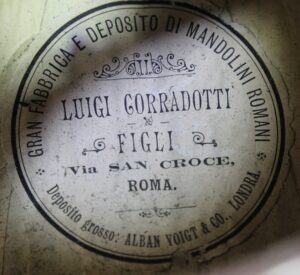
Luigi Corradotti Rome           

According to Leonardo Petrucci who takes care of the mandolin collection in the MUSEO NAZIONALE DEGLI STRUMENTI MUSICALI in Rome, Luigi was active in Rome between the last years of 19th century till about 1930.

He specialised in Neapolitan mandolins and also built fiddles. For many years together with Luigi Salsedo another fine maker, he was in charge of making mandolins for Voigt & company who exported to UK and Germany.
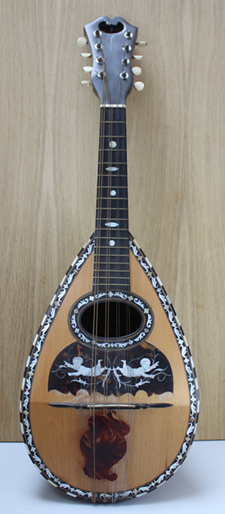
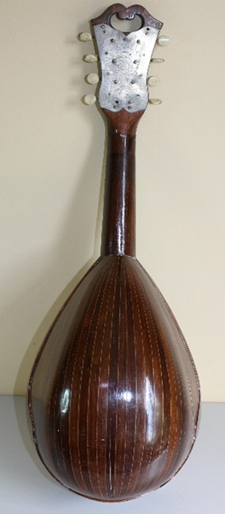
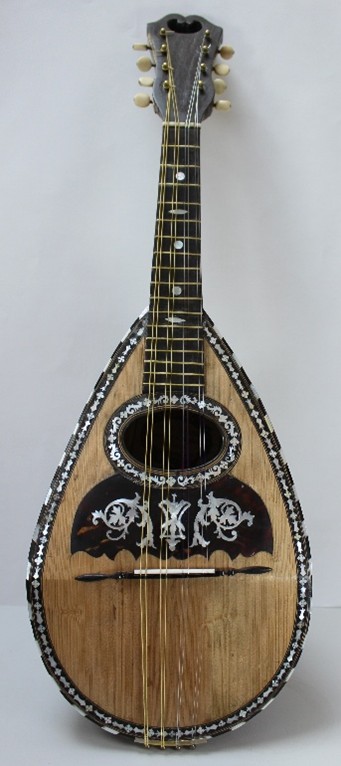
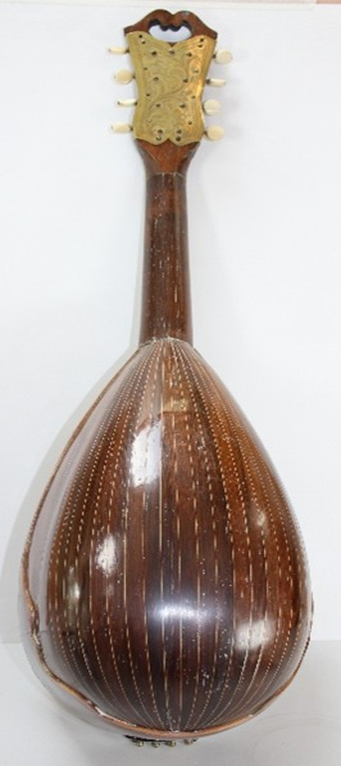
Domanico Zanoni Naples

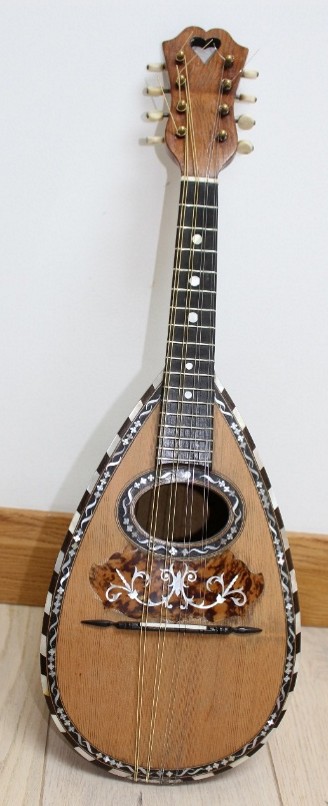
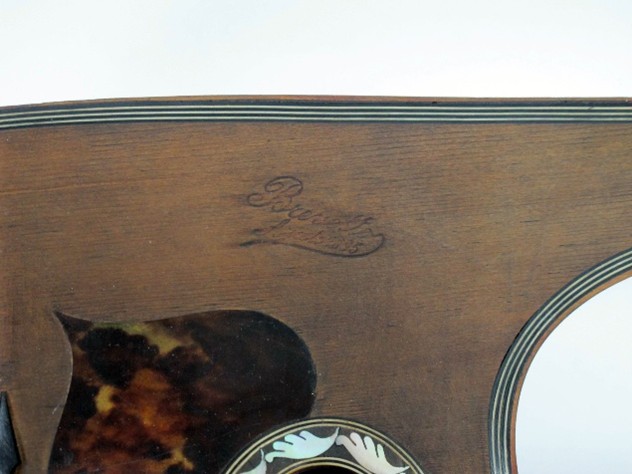
Pietro Tonelli Naples with Ebony headstock

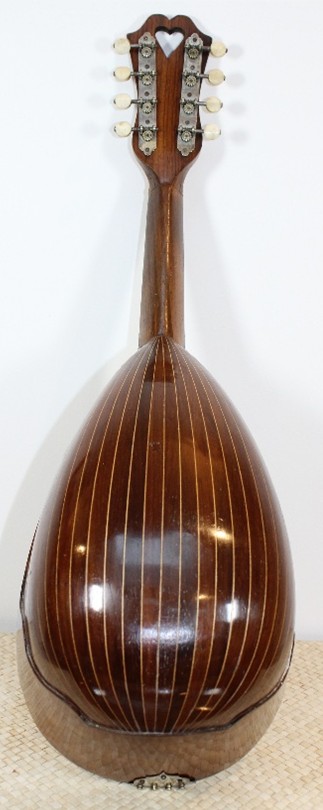
Pietro Tonelli Naples with rosewood headstock

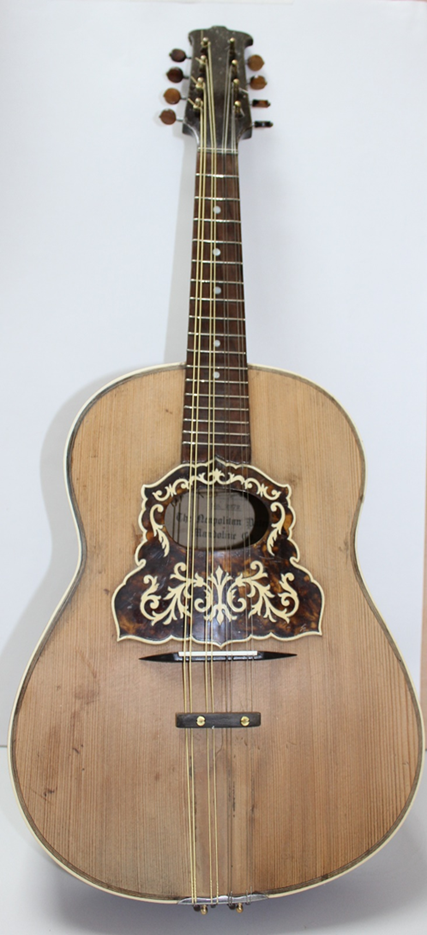
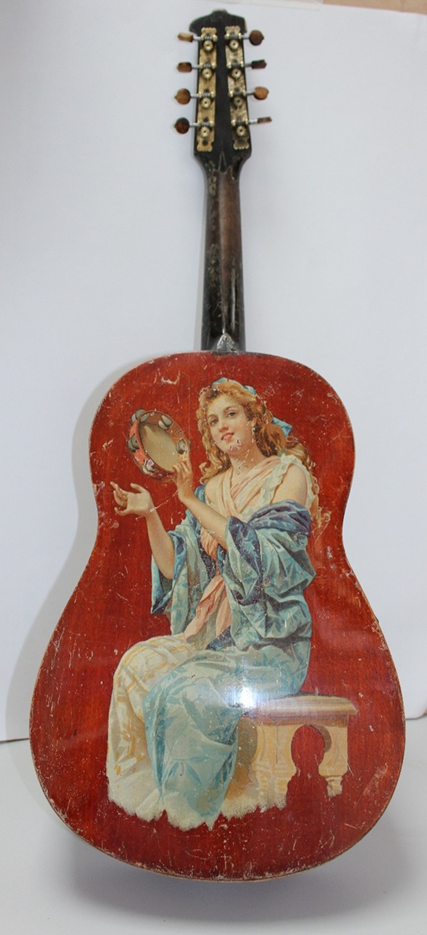
Guitar shaped mandolin – mandolinetto 

The term mandolinetta refers to a guitar-shaped mandolin. Apparently, these mandolinettas were sold from Ancoats, Manchester and were supplied as part of a mandolin correspondence course, which was run by the Neapolitan College of Music between 1870 and 1920. If you enrolled on the course, you got a ‘free’ mandolin “

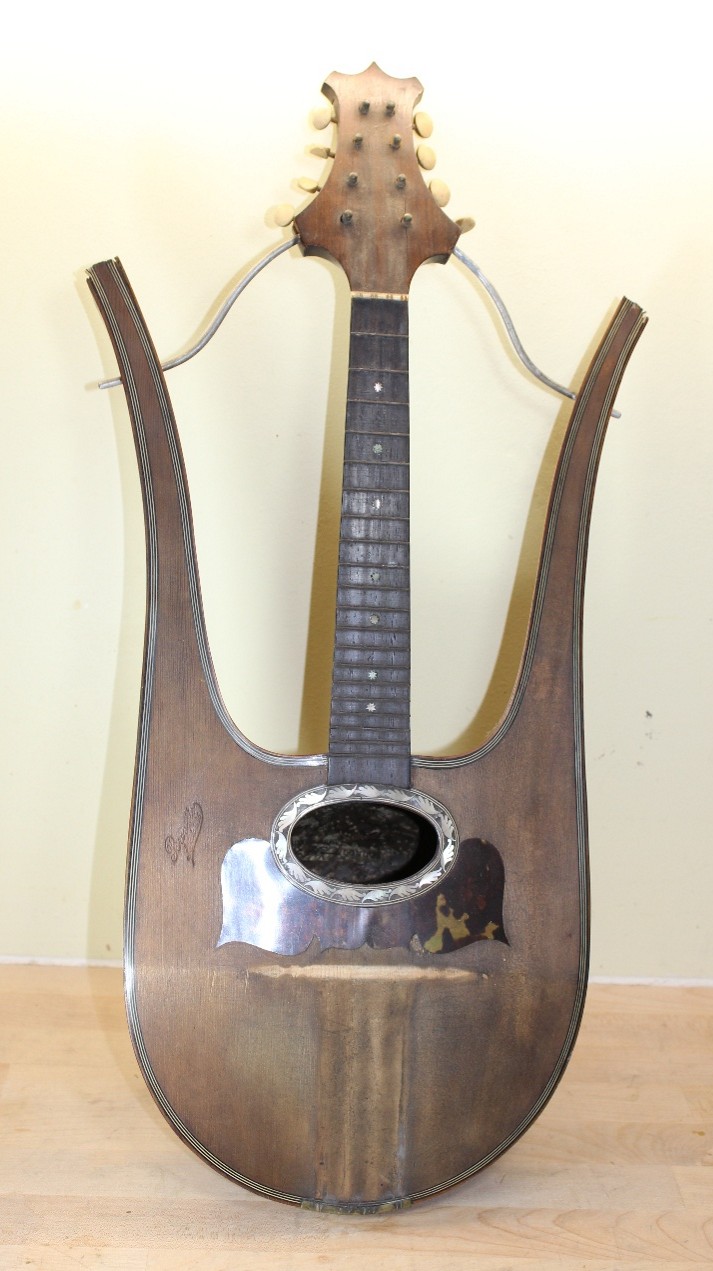
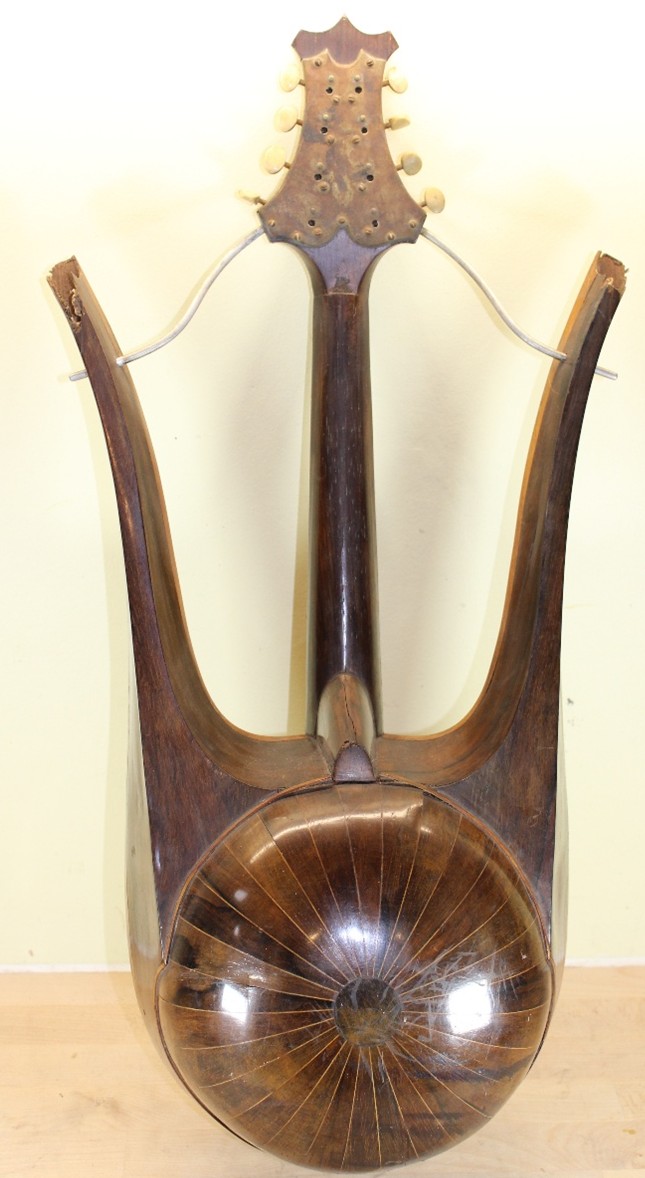
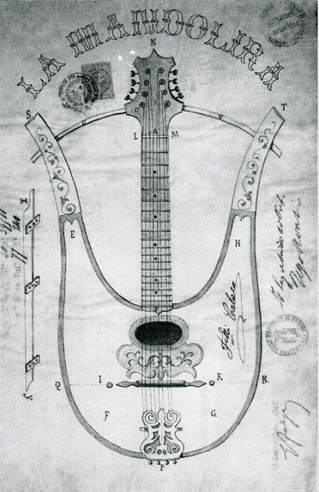
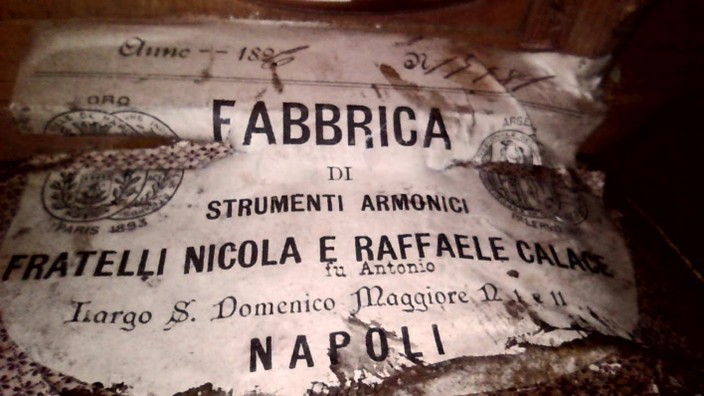
An unusual Mandolira mandolin by Nicola & Raffael Calace dated 1896. Currently in the workshop.

Brothers Nicola and Raffaele inherited the business from their grandfather who began making violins in 1825. Raffaele was an accomplished luthier and musician who composed more than 180 works for plectrum instruments and was universally called “The Paganini of the mandolin” for the strength and expressiveness of his works.

In an attempt to provide greater access to frets further up the neck, they developed the Mandolira with a round bowl body and the neck supported by two horn-shaped extensions, recalling the classical lyre. It provided access to all 20 frets.

The family is still working today; https://www.calace.it/


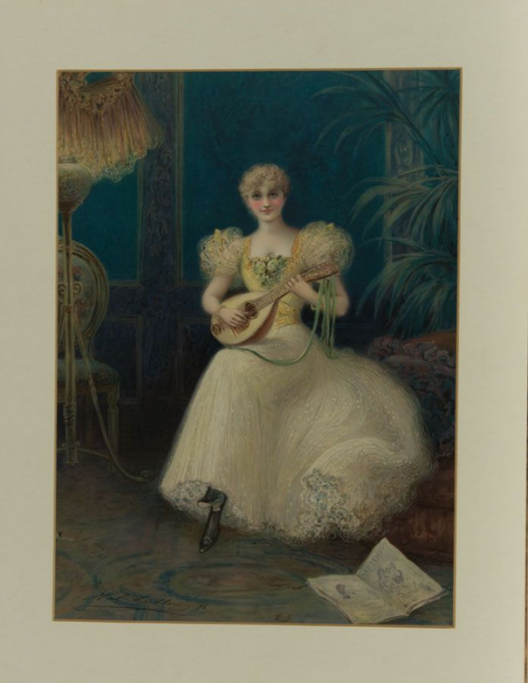
A Lithograph by Hal Ludlow, 1861-1947

  The mandolin player 1896

Hal Ludlow was born in Newport, South Wales the son of a grocer and studied art at Heatherley’s. He was not only “a very competent all-round magazine illustrator” but also a painter of portraits and domestic scenes. He contributed to Fun 1879-87 and many other periodicals, including The Illustrated London News, Judy, and The Strand Magazine

We use using cookies on our website for analytical purpose only.

Please confirm, if you accept our cookies. You can also decline the tracking, so you can continue to visit our website without any data being collected.